

Reverse the Confusion: VAT Made Understandable
When the buyer handles the tax
Invoices without surprises
What a clear invoice looks like
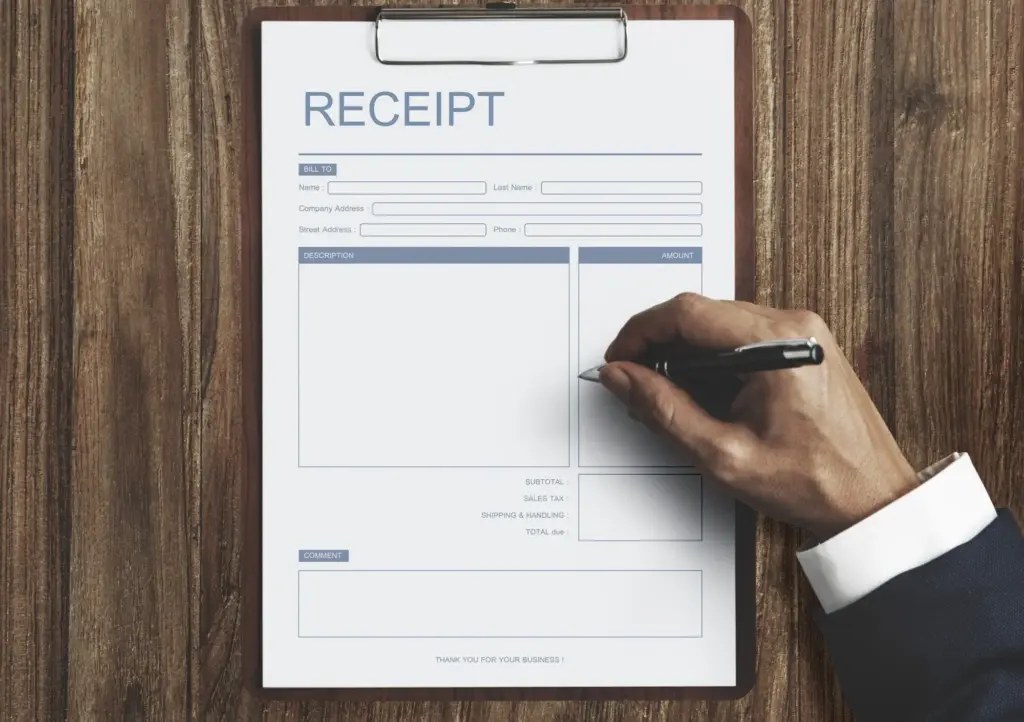
Include your legal name, address, registration number if you have one, the customer’s equivalent details, item descriptions, delivery dates, and the total price. Add a short statement that the buyer will account for the tax. Use big, friendly fonts and unmissable wording.
Avoiding copy-paste mistakes
Many delays start with templates copied from old jobs. Someone deletes a line, misses a detail, or forgets the special note, and the customer refuses to pay. Build a locked template with helpful prompts, then review it once more before sending every single time.
Numbers that must match
If both parties are registered, the identifying numbers should be valid and current. Cross-check them on official websites and keep screenshots. Matching details calm auditors, reassure customers, and protect you from penalties. Five minutes of checking today can save a month of explaining later.

Cash flow and pricing clarity
Everyday pitfalls and how to dodge them
The builder who stopped losing weekends
The consultant who cleaned up her cash flow
The reseller who avoided a fine

Inside one market versus between countries
Working within a single market can follow familiar patterns, but crossing a border changes documents, languages, and systems. Before shipping or starting services, collect both parties’ registrations, write down who records the tax, and store delivery evidence. Preparation beats drama when officials ask for clarity.
Digital services and platforms
Apps, streaming, and online tools blur borders every day. Learn which side handles the tax and how platforms pass details to you. Keep emails, invoices, and dashboard screenshots. When numbers travel instantly, evidence must travel with them, or reconciliation becomes a guessing game nobody enjoys.
When to call the tax office
If the facts feel unusual, do not guess. Officials would rather answer a short question today than untangle a tangle later. Keep a log of calls, names, and dates. That humble file proves diligence and often ends tricky conversations before they truly begin.

Checklist and next steps
A five-minute check before you send
Right before clicking send, confirm registrations, wording, totals, and delivery details. Read the invoice out loud once, as if you were your customer. If anything sounds fuzzy, fix it now. That tiny habit turns missed payments into fast approvals again and again.
Teach your team without the buzzwords
Run a ten-minute huddle with a whiteboard. Explain in normal language who bills the price, who notes the tax, and why it prevents fraud. Role-play a customer call. The goal is confidence, not jargon; confident teams make fewer mistakes and rescue more conversations.
Join the conversation
Share your experiences in the comments: which invoices caused friction, which words worked best, and what you changed next. Subscribe for simple checklists, real examples, and friendly reminders. Together we can keep money flowing, customers smiling, and tax questions small, boring, and rare.

All Rights Reserved.